A cold shower from a gas water heater usually means one thing: the burner is not firing, and something told it not to. Gas heaters are built around safety. The control valve will not open unless a thermocouple or flame sensor proves there is a flame, and many models lock out if the flame arrestor screen at the bottom gets clogged or the heater senses spilled exhaust. So the real question is which safety did its job, and why. Here in Paterson, NJ, the answer is most often a worn thermocouple, a dirty pilot or burner, a lint-choked air intake, a failing gas valve, or a vent that is no longer drafting properly.
Diagnosing a gas water heater properly means checking combustion, not just parts. Across Paterson, our technicians measure thermocouple output in millivolts, study the pilot and burner flame for color and shape, read gas pressure at the valve, and test draft at the hood so we know exhaust is leaving the house. We check the combustion chamber for soot and scorching, which point to a blocked flue or poor combustion air, and we test for carbon monoxide near the heater. Keep one rule in mind: a gas smell means leaving the house and calling the gas utility from outside before anything else, and Paterson Water Heater can take over from there.
Some gas heaters need a quick part swap, and some need an honest conversation. We handle both. Thermocouples, flame sensors, pilot assemblies, hot surface igniters, gas valves, and burner cleaning are routine repairs, and we correct venting faults and flush sediment during the same visit when needed. If the tank is leaking, rusting through, or past about ten to twelve years with a major failure, we will explain why replacement makes more sense. Our installations cover like-for-like swaps and upgrades to power vent or high-efficiency models, with correct gas line sizing, sediment traps, expansion tanks, drain pans, and seismic strapping wherever required. Call (973) 221-6774 to schedule service in Paterson.
Our two most requested services are Water Heater Repair in Paterson and Water Heater Installation in Paterson. That's the place to start for most homes.
Signs You Need Gas Water Heater Services in Paterson
Catching a symptom early is often the difference between a quick part swap and a tank that gives out on the garage floor. Watch for these telltale signs that professional help is needed:
- A pilot that lights, then goes out when you release the knob
- A tank that pops and bangs while it heats, a classic sign of sediment
- A flame that looks orange or floppy rather than steady and blue
- Water pooling around the base of the heater
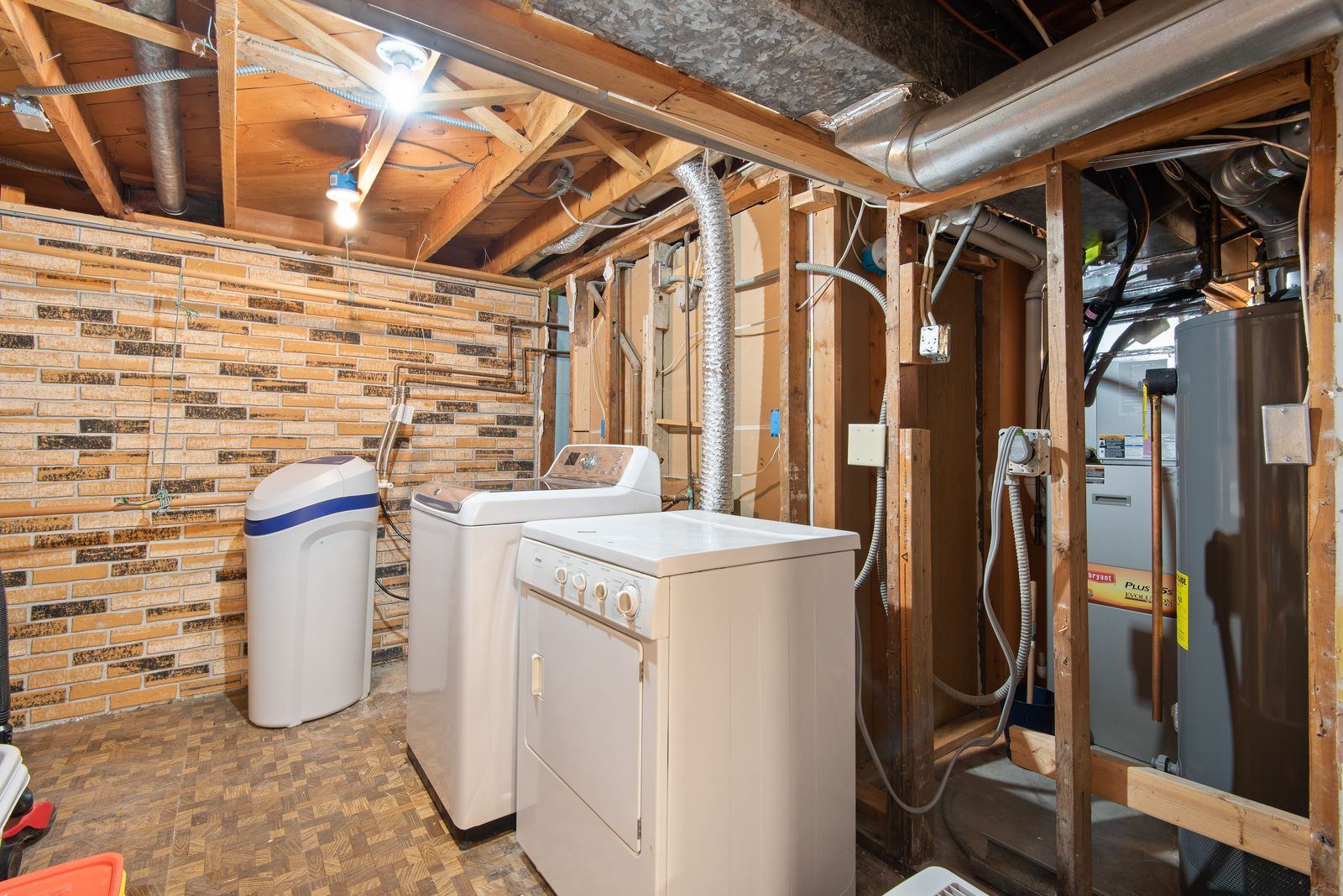
- A vent pipe that has separated, rusted, or left scorch marks near the top of the heater
- Any smell of gas around the appliance, which calls for leaving and phoning the gas utility
- A cold tank and a burner that will not come on
- Less hot water than the tank should deliver
Small Symptoms, Big Consequences
Left alone, even minor symptoms like rumbling or temperatures that swing from hot to warm tend to mean the heater is working its way toward a breakdown. Don't wait. Get Paterson Water Heater on the phone at (973) 221-6774 and we'll get a technician scheduled.
What Homeowners Ask Us Most
Why This Job Calls for a Pro
Consider the risks first. Fuel piping, an open flame, and exhaust laced with carbon monoxide come with every gas water heater. A loose flare or threaded joint can leak gas, a vent that is disconnected or poorly sloped can spill exhaust back into the room, and a gas valve installed without a leak test is a risk you cannot see. Then there is the diagnostic side: a pilot that goes out can mean a weak thermocouple, a dirty pilot orifice, a clogged flame arrestor, a draft problem, or a failing gas valve, and replacing them one by one is slow and costly.
Our technicians approach gas heaters with instruments rather than assumptions. They check thermocouple output in millivolts, read gas pressure at the valve, test draft at the hood, check for CO around the appliance, and leak-test every joint they touch. The result is a repair that targets the real fault and a home that is safer for it. We also give you an honest assessment of the heater itself. A tank past about ten or twelve years with a failing valve or a leak is usually a replacement, and we will say so before you spend money on a repair.
Step by Step: How a Visit Works
Every visit follows a step-by-step method built around testing first and replacing parts only when the readings call for it. Here's a look at each step our team takes:
Find the Real Fault
Leak and CO checks come first, then we test the thermocouple or flame sensor, gas valve, burner, and draft so we know exactly what stopped the heater.
Repair or Replace, Explained
No guesswork on the bill. We explain the fault and the fix, quote it up front, and give you an honest repair-versus-replace answer on older heaters.
Same-Visit Repair
The majority of repairs are finished immediately, from a new thermocouple to a cleaned burner or corrected vent. New installs include gas line work, a sediment trap, and the code items your home needs.
Full Safety Test
No gas job is done until it is proven safe. We leak-test the connections, verify draft and flame, check for carbon monoxide, and set the temperature to about 120 degrees.
Want a Professional Opinion?
We give honest advice and upfront pricing on every job, big or small.
Tap to Call (973) 221-6774Prevention Tips That Actually Help
Most of the failures we see could have been delayed for years with basic upkeep. Follow these tips from our technicians:
- Have the anode rod inspected every few years and replaced when it is worn
- Keep working CO alarms near bedrooms and on each floor
- Watch for a loose, rusted, or sagging vent pipe above the heater
- Give the heater breathing room and keep flammables well away from it
- Choose a setting of about 120 degrees to balance comfort, safety, and efficiency
- Drain sediment from the bottom of the tank once or twice a year
- Keep the air intake at the bottom of the heater free of lint and dust
Doing It Yourself vs. Hiring a Technician
Online videos may help in a pinch, yet lasting repairs and code-compliant installs depend on correct venting, proper relief valve discharge piping, and a trained technician. Here's how the two approaches stack up:
| Factor | DIY Attempt | Hiring a Pro |
|---|---|---|
| Finding the Fault | Guess between pilot, valve, and draft problems | Millivolt, pressure, and draft tests find the cause |
| Gas Connections | No leak detection after the work | Gas piping verified tight and sound |
| Venting & CO | Draft and spillage go untested | Vent secured with proper slope and clearance |
| Permits & Code | Local code items easy to miss | Permit handled where required |
| Tank Condition | Sediment left to bake on the bottom | Honest read on the tank's remaining life |
| Outcome | Temporary fix at best | Root cause fixed and verified safe |
Let's Get Your Hot Water Back
Every day a leak or a failing part goes unchecked puts more stress on the tank. Get Paterson Water Heater on the job today.
Tap to Call (973) 221-6774Where We Provide Gas Water Heater Services
Wherever you are in the area, the same experienced team shows up with the same parts and the same pricing. Find your community below.